
How to Build a High-Margin Smoke Shop Counter Display with Small Accessories
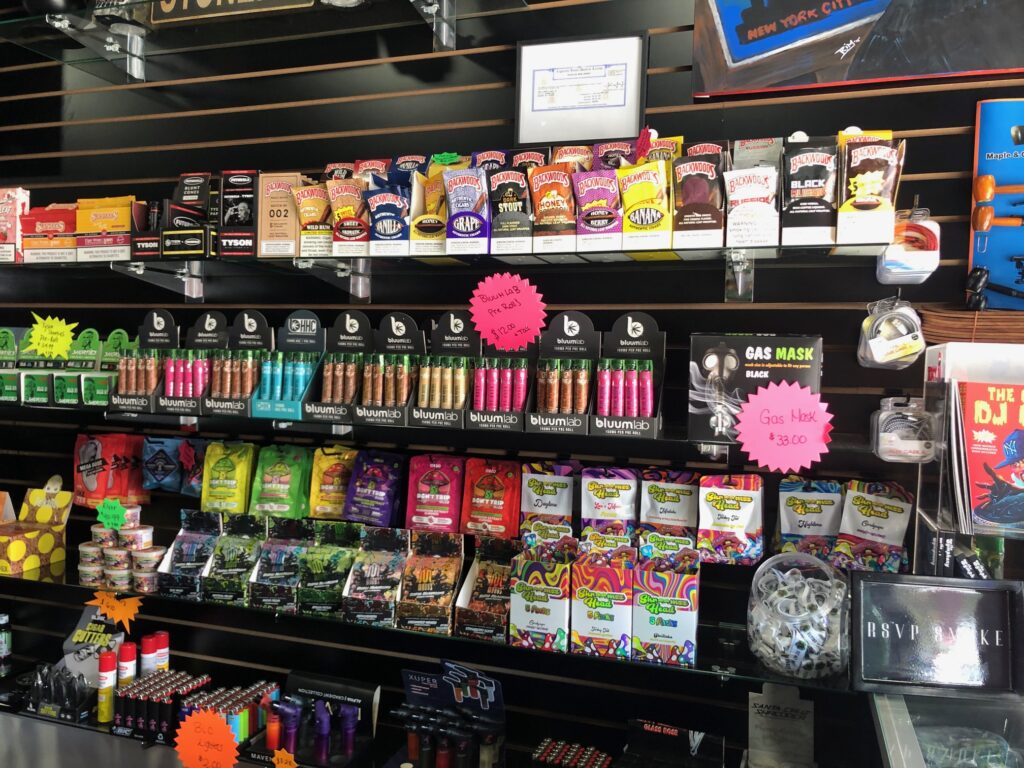
A profitable smoke shop counter display is not just a place to dump leftover inventory. It is the most visible selling zone in the store, the last place customers look before checkout, and one of the easiest places to increase basket size without adding more floor space. When the right small smoking accessories are grouped together, the counter becomes a point-of-sale engine for repeat purchases, impulse buys, and easy upsells.
The strongest counter displays are built around small, fast-moving products that customers understand instantly. Rolling papers, blunt wraps, grinders, lighters, rolling trays, pocket scales, dugouts, and small pipes all fit this role well. They are compact, easy to restock, and simple to pair into bundles. For retailers, that combination matters because limited space has to work harder than anywhere else in the shop.
The goal is not to make the display look full. The goal is to make it sell. That means choosing products with broad appeal, grouping them by use case, and using display-ready smoking accessories where possible. Done right, a smoke shop counter display can support higher margin, faster turnover, and a more consistent attach rate across the whole accessories category.
Why the Counter Is the Most Valuable Space in a Smoke Shop
Counter space gets attention that shelves often do not. Every customer passes it. Every customer waits near it. Every customer sees it at decision time.
That makes it ideal for smoke shop impulse items and simple add-ons. A shopper might walk in for wraps, a replacement bowl, or a new grinder. At the counter, they remember they also need a lighter, a tray, or a small scale. This is where point-of-sale display logic matters.
The counter also works because the buying decision is usually fast. Customers do not want a lecture at checkout. They want products that make immediate sense. A lighter near wraps makes sense. A grinder next to rolling papers makes sense. A small pipe beside cleaning tools makes sense.
Too many stores waste this space with random leftovers, slow-moving novelty items, or bulky products that block visibility. A better approach is to treat the area like premium real estate. Every SKU on the counter should earn its place by doing one of three jobs: driving repeat purchase, increasing basket size, or making a strong impulse sale.
What Makes a Small Smoking Accessory High-Margin and Counter-Friendly
Not every accessory belongs at the counter. The best counter products share a few traits.
First, they have a compact footprint. They do not eat up space, block sightlines, or require too much explanation. This is why papers, wraps, lighters, grinders, trays, scales, and dugouts work so well in countertop merchandising.
Second, they have low decision friction. Customers already understand what they are and why they need them. A product that needs education is usually better on the shelf than at the register.
Third, they have repeat-purchase potential or easy add-on value. Rolling papers and wraps are obvious examples. Lighters are another. Grinders and trays are not always repeat buys in the same way, but they are strong functional upsells that pair naturally with other products.
Fourth, they are easy to restock. Counter displays fail when they look messy or picked over. Fast-moving accessories should be simple to refill from back stock or, even better, arrive in retail-ready display units.
Finally, the best products feel useful. Practicality matters. Even when a product has strong design appeal, it still sells faster when the shopper can justify it as something they will actually use.
The Best Small Smoking Accessories for a Counter Display
Rolling Papers and Pre-Roll Basics
Rolling papers are one of the easiest wins in a smoking accessories display. They are inexpensive, easy to understand, and often bought repeatedly. They also create natural upsell paths into tips, rollers, trays, and lighters.
At the counter, papers work best when arranged by recognizable use-case logic. Keep classics together, premium or specialty options together, and pre-roll related accessories nearby. Customers tend to make these decisions quickly, so presentation matters more than long explanation.
This is also one of the safest anchor categories for convenience-store smoking accessories because the products are familiar and low friction.
Blunt Wraps
Wraps are strong counter performers because they are fast-moving, flavor-driven, and often impulse-friendly. Shoppers who buy wraps tend to browse variants, which makes front-facing presentation especially important.
A wrap display should stay tidy and well stocked. Gaps make the whole section look weak. Since wraps are often repeat buys, they are valuable for return traffic as well as one-time checkout add-ons.
Pair them with lighters, small trays, or pocket storage accessories to raise basket size without forcing the sale.
Grinders
Grinders are one of the best functional upsells in a smoke shop retail display. They bring stronger perceived value than papers or wraps, but they still fit comfortably in limited space.
They also give you more flexibility in merchandising. Basic grinders can sit near rolling essentials. Premium or design-led grinders can anchor a more visual grinder display at the counter. Multi-count display units are especially useful here because they reduce setup time and help the section look organized.
For many customers, a grinder is the product that makes the whole bundle feel complete. That is why it pairs so well with papers, trays, or lighters.
Lighters and Torch Lighters
Lighters are classic point-of-sale products because they attach to almost everything. They are small, universally understood, and easy to place near wraps, papers, pipes, and other quick-grab items.
A good lighter display should balance accessibility with order. Too many scattered lighters look cheap. A clean retail-ready display looks intentional and sells better.
Torch lighters can also work at the counter, but they need stronger category context. Keep them near products where the connection is obvious.
Rolling Trays
Rolling trays do well because they combine function and visual appeal. They are easy to understand, easy to gift, and easy to pair with grinders and rolling papers.
Unlike purely consumable products, trays also help shape the character of the display. A tray can create a stronger theme around a bundle and support higher-priced checkout add-ons without taking up too much room.
In a smoke shop counter merchandising setup, trays work best when you keep the quantity tight and the designs visible. They should look curated, not piled.
Pocket Scales
Scales are not as universally impulse-driven as lighters or wraps, but they are strong high-value add-ons in a small package. They appeal to customers who want precision and utility, which makes them useful for a more premium add-on corner.
Because scales feel more technical, they should be placed where the product can still be seen clearly and explained quickly. A cluttered display reduces trust. A clean utility-focused section improves conversion.
Scales also pair well with storage, jars, or travel accessories.
Small Pipes, Dugouts, and Portable Accessories
Small pipes, dugouts, and portable accessories are ideal for a grab-and-go counter section. They offer practicality, compact size, and easy gifting potential.
These products are especially useful when you want to build a counter assortment that feels complete without becoming repetitive. They add variety to the display while still staying relevant to customer intent.
For stores with limited room, this category is a good way to introduce portability-focused upsells without bringing in larger bulky glass.
How to Build a Counter Display That Actually Sells
A profitable display usually follows a simple structure.
-
Choose one hero category.
Start with the anchor that drives the most natural traffic. For many stores, that will be rolling papers, wraps, or lighters. -
Add two or three attach products.
Once the hero category is set, add products that logically complete the purchase. A grinder next to papers works. A lighter next to wraps works. A tray next to both works even better. -
Group by use case, not by randomness.
Do not build the display around whatever happens to be available. Build it around customer behavior. A customer should understand the section at a glance. -
Keep best sellers at hand level.
The fastest-moving, easiest-to-understand products should be the most visible. Slower or more premium add-ons can sit slightly off-center. -
Use display-ready products when possible.
Retail-ready display units reduce labor, improve presentation, and make replenishment faster. -
Leave room for replenishment.
Overstuffed displays look messy. Clean spacing makes the display feel more premium and helps customers browse more easily. -
Rotate novelty without damaging the core.
Core consumables should stay consistent. Design-led or novelty items can rotate around them to keep the section fresh.
4 Proven Bundle Ideas for Higher Basket Size
These bundles work because the use case is obvious.
-
Grinder + rolling papers + lighter
A simple functional bundle that supports both first-time and repeat buyers. -
Blunt wraps + rolling tray + lighter
A strong impulse bundle that blends repeat purchase with a slightly higher-value add-on. -
Small pipe + lighter + cleaning accessory
A practical bundle that feels complete and helps prevent the shopper from forgetting maintenance basics. -
Pocket scale + storage jar or bag + papers or wraps
A more utility-focused bundle that works well in a premium add-on corner.
The key is not to pitch these like scripts. Merchandise them so the connection feels natural. The customer should see the logic without needing a long explanation.
Display Layout Templates for Small Counters
Different stores need different formats, but a few small-footprint layouts work especially well.
The Impulse Strip
This is the narrow front-facing section for fast, low-friction products. Think papers, wraps, lighters, and other quick-grab items. It should be simple, clean, and heavily replenished.
The Utility Cluster
This section groups problem-solving accessories together. Grinders, scales, jars, dugouts, and small tools fit here. It works best for customers who want functional upgrades.
The Premium Add-On Corner
This is where you place slightly higher-perceived-value products in a compact footprint. Premium grinders, trays, scales, and curated small accessories belong here. The goal is to encourage step-up purchases.
The Grab-and-Go Travel Block
Portable pipes, dugouts, lighters, and small storage accessories can form a compact travel-oriented section. This works especially well when the store wants a tighter, lifestyle-led retail counter display.
Accessory Comparison
|
Accessory Type |
Why It Sells at the Counter |
Best Add-On Pairing |
|---|---|---|
|
Rolling papers |
Repeat purchase and low friction |
Lighter or tips |
|
Blunt wraps |
Flavor browsing and fast turns |
Lighter or tray |
|
Grinders |
Strong upsell and visual appeal |
Papers or tray |
|
Lighters |
Universal attachment sale |
Wraps, papers, pipes |
|
Rolling trays |
Functional and giftable |
Grinder or papers |
|
Pocket scales |
Utility-driven higher-value add-on |
Jar or storage bag |
|
Small pipes/dugouts |
Portable and impulse-friendly |
Lighter or cleaner |
How Often to Restock and Rotate Counter SKUs
Counter displays need active management. Even a good product mix loses power if it looks incomplete or stale.
Daily visual checks matter. The display should look full enough to sell but not crowded. Empty hooks, half-finished displays, and scattered products reduce confidence.
Weekly replenishment is usually the right rhythm for core sellers. Papers, wraps, and lighters should be monitored closely because they move fastest. Grinders, trays, and scales may need less frequent restocking, but they still need clean presentation.
Monthly rotation works best for underperforming novelty or design-led SKUs. Do not let weak products sit in prime space for too long. Replace them with proven attach items or fresh display-ready options.
A good rule is simple: keep the core stable, rotate the edges.
Mistakes That Kill Counter Display Profit
The first mistake is overloading the display. More product does not automatically mean more sales. It often just creates confusion.
The second mistake is mixing too many price tiers in one small section. When everything is competing at once, nothing stands out.
The third is placing slow-moving items in premium space. Counter space should go to products with fast decision cycles or obvious attach potential.
The fourth is ignoring the basics. Papers, wraps, and lighters may not feel glamorous, but they often do more work than random novelty items.
The fifth is skipping retail-ready formats. Display-ready smoking accessories help stores stay organized and replenish faster.
The last mistake is failing to test bundles. Small improvements in pairing logic can make a meaningful difference in basket size.
Smoke Shop Counter Strategy for Smoke Shops vs Convenience Stores
A dedicated smoke shop can usually support more category depth. It can carry multiple grinder styles, trays, premium wraps, scales, and niche accessories in a way a convenience store cannot.
A convenience store usually needs tighter focus. The best convenience-store smoking accessories are the most familiar, compact, and low-friction products: papers, wraps, lighters, and a very limited set of easy add-ons.
That means the same principle applies to both, but the assortment changes. Smoke shops can be broader. Convenience stores should be tighter and more utility-led.
Where to Buy Wholesale Smoking Accessories for Counter Displays
Retailers need a supplier that supports both assortment depth and merchandising practicality. That means broad category coverage, display-ready products, dependable replenishment, and an easy path to bulk buying.
For this kind of counter program, a wholesale source should be able to supply core repeat-purchase categories like rolling papers, blunt wraps, lighters, grinders, trays, scales, pipes, and other compact accessories, while also supporting display logic with ready-to-merchandise formats and visual add-on products.
BDD Wholesale is positioned around that kind of mix, which is why this topic fits the site well in the first place. The category spread supports both smoke shop merchandising and broader wholesale smoking accessories sourcing for buyers looking to build a tighter counter assortment.
Final Thoughts
A strong counter display is not built by accident. It is built by choosing the right small accessories, grouping them by use case, and keeping the section clean, replenishable, and easy to shop.
The most effective formula is simple: fast-moving essentials, attractive add-ons, display-ready presentation, and regular SKU rotation. When those pieces work together, the counter stops being dead space and starts becoming one of the most profitable parts of the store.
FAQs
What should I put on my smoke shop counter?
Start with small, fast-moving products that customers understand immediately. Rolling papers, wraps, lighters, grinders, trays, scales, dugouts, and portable pipes are all strong counter candidates.
What smoking accessories sell best as impulse buys?
Lighters, rolling papers, blunt wraps, and compact novelty accessories tend to sell best as impulse items because they are low friction and easy to justify at checkout.
How do I organize a smoke shop counter display?
Organize by use case, not randomness. Build around one hero category, add logical companion products, keep best sellers visible, and use retail-ready display units where possible.
Are grinders good counter-display items?
Yes. Grinders are one of the best functional upsells in a smoke shop point of sale display because they bring strong perceived value, fit in a small footprint, and pair naturally with papers and trays.
What is the best wholesale source for smoke shop accessories?
The best source is one that offers broad category coverage, display-ready products, and strong replenishment support. Buyers usually benefit most from suppliers that can cover both core consumables and compact add-on accessories in one place.
How often should I rotate smoke shop counter products?
Core consumables should stay consistent and be checked daily or weekly. Novelty or slower-moving items should usually be reviewed monthly and replaced if they are not earning their space.


Leave a comment
This site is protected by hCaptcha and the hCaptcha Privacy Policy and Terms of Service apply.