
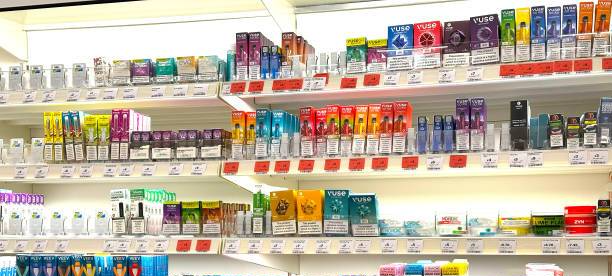
BDD Wholesale supports smoke shops, dispensaries, and distributors with wholesale accessories that help retailers sell confidently and handle common customer questions with less friction. This guide is built for store owners and staff who want fewer returns, faster counter service, and a cleaner way to manage vape-related customer issues, without turning every interaction into a long troubleshooting session. You’ll find a practical intake checklist, a skimmable symptom-to-solution table, staff scripts, and merchandising ideas that improve attach rates with storage and maintenance add-ons. For wholesale buyers building or refreshing this category, you can also browse BDD Wholesale’s Vaporizers collection to understand the device landscape you may be supporting at retail.
What Customers Mean When They Say “My Vape Isn’t Working”
Most “not working” complaints fall into a handful of patterns. If your team uses the same intake questions every time, you’ll resolve issues faster and avoid unnecessary swaps.
The 60-second intake checklist for retail staff
Use these questions before you touch anything or offer an exchange:
-
What type of device is it (disposable, rechargeable battery + cartridge, pod device)?
-
Is it new out of the package or previously working?
-
Any visible damage (drops, cracks, bent connector, liquid residue)?
-
Any indicator lights, blinking patterns, or charging response?
-
Was it stored in a hot car, direct sun, or freezing temps recently?
-
Does the customer have the original packaging/receipt (your store’s policy)?
Where customers get confused most
Customers often mix up:
-
device types (disposable vs. rechargeable battery + cartridge),
-
compatibility (threading/fitment),
-
and “power” issues vs. airflow issues.When staff diagnose these consistently, returns drop because you’re solving the real cause instead of replacing the symptom.
The Most Common Problems and Retail-Safe Resolutions
The goal at the counter is “retail-safe” triage: quick checks that don’t require disassembly beyond what the manufacturer intends, and clear criteria for replacement vs. referral to manufacturer instructions.
Quick reference table: symptom → cause → retail-safe action
|
Symptom customers report |
Most common cause |
Retail-safe action (fast) |
When to replace/refund |
|
No power / no lights |
dead battery, charging cable/port issue |
confirm charging with known-good cable/power source; check for debris on contacts |
if no charge response after basic check and within your return window |
|
Works intermittently |
poor contact, residue on connector |
visually inspect connection points; recommend cleaning per manufacturer instructions |
repeated failures after cleaning + verified compatibility |
|
Hard to draw / “blocked” |
airflow obstruction, residue buildup |
check airflow holes for blockage; advise basic cleaning |
persistent blockage on a sealed disposable (often not serviceable) |
|
Leaking / sticky residue |
heat exposure, improper storage angle, worn seals |
recommend upright storage and stable temperature; replace cartridge if visibly compromised |
active leak that affects function or creates a safety/handling concern |
|
Burnt taste / harsh output |
overheating, damaged coil, low liquid in cartridge |
advise stopping use and replacing the cartridge |
if it’s new and defective per policy; otherwise replacement part sale |
|
Weak output |
low battery voltage, clogging, poor contact |
confirm charge level; check airflow and connection |
if new and underperforming across verified setups |
Clogs and Airflow Complaints
Airflow issues are the #1 cause of “it’s broken” frustration because customers can’t easily tell whether the problem is blockage, battery, or cartridge.
Retail-safe checks that don’t turn into a repair project
-
Look for obvious blockage in airflow holes (lint, pocket debris, packaging fragments).
-
Check whether residue is visible around the connection area (sticky buildup often causes poor contact and restricted airflow).
-
If your store sells compatible accessories, this is a natural moment to recommend a simple maintenance add-on or a replacement cartridge instead of an exchange.
For shops that want to build a “support lane” without stocking dozens of repair tools, consider merchandising basic maintenance and storage items together so staff can solve the customer’s problem and increase basket size at the same time. A simple way to do that is to pair vape items near your storage section.
Battery and Charging Issues That Create Returns
Charging complaints often come down to expectations: customers assume every cable and charging block behaves the same, and they may not recognize damaged ports or debris.
What staff can verify quickly
-
Confirm the device responds to a known-good charger and power source (especially if the customer used a questionable cable).
-
Look for visible damage to the charging port or connection area.
-
If the device uses removable batteries (less common in some retail segments), treat it as a safety-first category and avoid any advice that suggests modifying or forcing connections.
Safety talking point that protects your store
When batteries are involved, lean on simple, consistent safety messaging: use the correct charger, avoid charging unattended, and stop using damaged batteries/devices. The NFPA’s lithium-ion battery safety guidance is a strong, neutral reference for store policy and staff training.
Leaks, Sticky Residue, and “Why Is Everything Gunked Up?”
Leaks create the mess that customers remember, and they also create the returns that retailers hate. In many cases, the root cause is storage environment and handling, not immediate product failure.
What usually causes leaks
-
heat exposure (hot cars, windowsills, direct sun),
-
storing on its side for long periods,
-
pressure changes and temperature swings,
-
worn seals or compromised cartridges.
Retail response that reduces conflict
Position your store as solving the problem, not assigning blame:
-
“Let’s check if the cartridge seal looks compromised.”
-
“If it’s been exposed to heat, that often causes leaks: upright storage helps prevent it.”
Cleaning and Maintenance Habits That Reduce Returns
Retailers don’t need to run a repair bench. You do need a consistent way to guide customers toward safe, basic upkeep, especially around connection points and residue buildup.
Keep guidance high-level and safety-first
-
Recommend cleaning only as described by the manufacturer for that device type.
-
Avoid suggesting disassembly that isn’t intended by design.
-
Encourage customers to stop using devices that look damaged or behave unpredictably.
If your staff already uses BDD Wholesale cleaning resources for glass and accessories, you can standardize a “care-first” culture across categories.
Merchandising That Improves Attach Rates in the Vape Category
The best vape “support” strategy is one that improves revenue while reducing headaches.
Build a small “device care” zone near checkout
Stock and cross-merchandise:
-
storage solutions (upright containers, odor-control options),
-
basic cleaning/care items that fit your assortment,
-
compatible accessories your customers routinely need.
This approach keeps your staff from spending 10 minutes troubleshooting while still helping the customer leave satisfied.
Create a simple upgrade path
Instead of “refund vs. no refund,” offer:
-
replacement cartridge (if applicable),
-
replacement battery (if applicable),
-
storage add-on to prevent repeat issues.
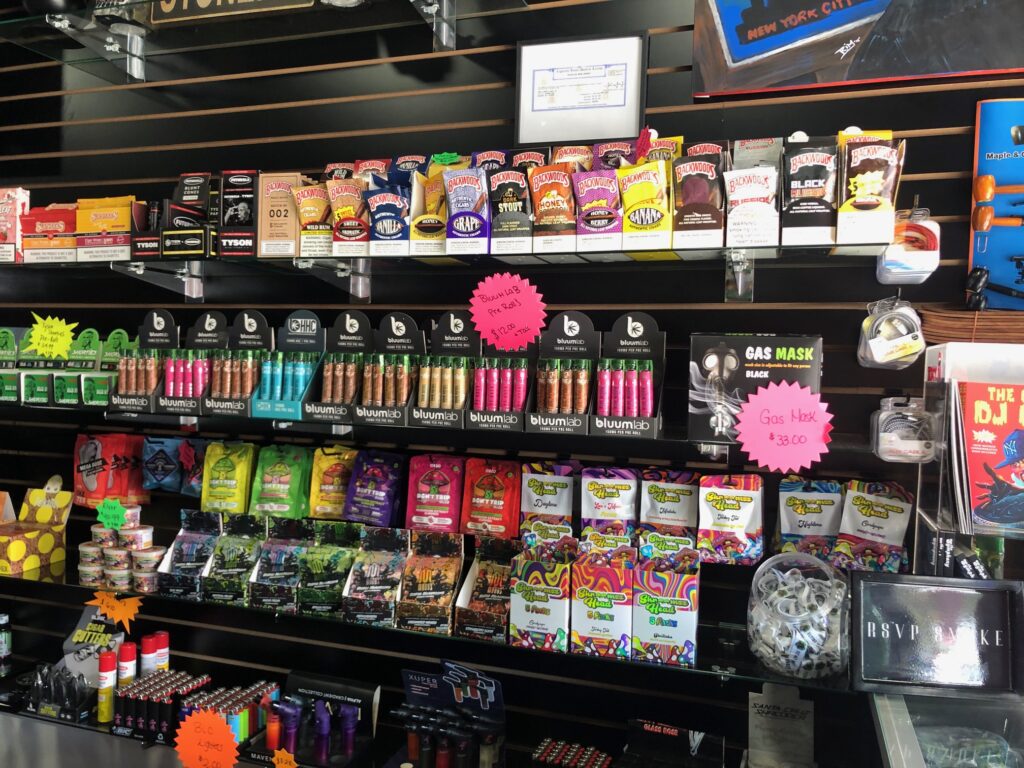
If you carry rolling items as a parallel category, this is also a natural place to connect shoppers to rolling essentials without changing the conversation into device use.
Staff Scripts That Keep the Line Moving
Short scripts reduce inconsistency and protect margins.
Script 1: The intake opener
“Can I ask a couple quick questions so we can solve this fast—what device type is it, and did it ever work before?”
Script 2: The compatibility reset
“A lot of issues come down to compatibility or contact points. Let’s check fitment and visible residue first.”
Script 3: The storage explanation (non-accusatory)
“Heat and storage angle can cause leaks or clogs. Upright storage in a stable spot prevents a lot of repeat issues.”
Script 4: The resolution close
“Based on what we’re seeing, the best fix is replacement of the affected part rather than troubleshooting further. That’s usually the fastest way to get you back to normal.”
Return Policies and Documentation That Protect Margins
Retail troubleshooting falls apart when policies are unclear. One of the fastest ways to reduce losses is to standardize how your staff handles complaints from the first moment a customer says, “It isn’t working.”
Start with a consistent intake flow. Identify the device type, confirm the purchase timeframe, and do a quick visual inspection for damage, residue, or obvious incompatibility. Then route each situation into one of three outcomes your team can explain quickly:
-
Retail-safe check and educate
-
Replace a compatible component
-
Apply your return policy
Documentation is what makes this process scalable. Log the issue type (no power, clog, leak, battery), the resolution, and whether the customer accepted an add-on solution like storage or maintenance items. Over time, these notes show patterns: which SKUs generate the most friction, which issues are most common, and which staff practices lead to fewer returns. This also helps when speaking with distributors or reps because you can describe trends clearly instead of relying on vague “defective” claims.
To keep interactions calm, give staff consistent language so customers hear the same fair process every time. For example: “We can help. First we’ll confirm compatibility and check for visible issues, then we’ll apply the right resolution based on our policy.” Clear signage helps, but staff consistency matters more.
Finally, treat support as a chance to sell solutions, not a negotiation. If the issue is storage-related, recommend an upright container. If it’s residue-related, offer a care item. If it’s compatibility, guide them to the correct replacement. Done right, you reduce refunds, protect margins, and turn problem moments into repeat business.
Shipping and Travel Questions Customers Ask About
You’ll hear travel questions whether you want to or not. Keep answers high-level, policy-based, and consistent.
Lithium battery basics (carry-on vs. checked)
U.S. guidance generally treats spare lithium batteries and power banks as carry-on items rather than checked baggage, and there are additional cautions around protecting terminals from short circuit.
For local air travel rules, check out TSA's “What can I bring?” lithium battery rules.
For international travel norms and a simple summary chart, the IATA passenger lithium battery guide is a useful reference.
Store policy framing
Train staff to say:
“Travel rules vary by airline and destination. The safest approach is to check TSA/FAA guidance and your airline’s policy before traveling.”
FAQ for Retailers
-
Why do customers say a device is “dead” right out of the package?
It’s often a charging expectation mismatch, a packaging/transport issue, or a compatibility problem. A fast intake checklist prevents unnecessary exchanges.
-
What should we do when a customer reports leaking?
Treat it as a storage + handling issue first: verify visible seal integrity, ask about heat exposure, and offer an immediate replacement path that protects the customer experience while protecting your margins.
-
How can we reduce vape-related returns without upsetting customers?
Use consistent scripts, clear return policy signage, and attach-rate merchandising (storage + care items). Your goal is to solve the problem quickly, not troubleshoot endlessly.
-
What’s the simplest way to train new staff?
Give them two tools: the 60-second intake checklist and the symptom table. If they can diagnose the category of issue, they can route the customer to the right outcome.
-
Where should we point customers who want rolling alternatives?
Keep it simple and category-based: direct them to your rolling section and relevant education resources.
Final Takeaway: Make Troubleshooting a Profit Center, Not a Time Sink
The vape category can create support pressure at the counter, but with the right structure it becomes manageable: a repeatable intake flow, clear criteria for replacement, and a merchandising setup that turns “problem solving” into attach-rate sales. Keep your staff focused on retail-safe triage, rely on credible battery safety guidance for policy and training, and use storage and care products to prevent repeat issues. For wholesale buyers, building a cohesive assortment across vaporizers, accessories, storage, and rolling essentials is the most reliable way to support customer needs while keeping operations clean and scalable.

Leave a comment
This site is protected by hCaptcha and the hCaptcha Privacy Policy and Terms of Service apply.