
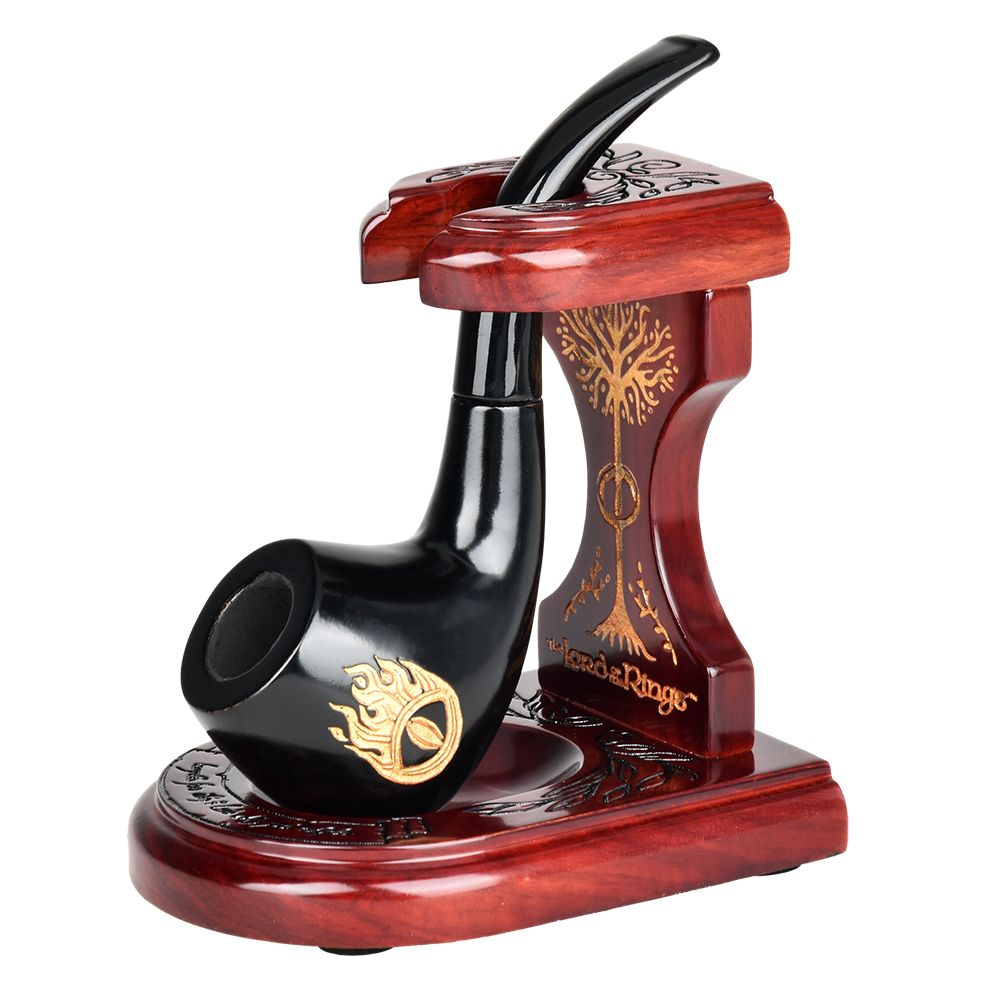
Wooden pipes are functional artworks their owners take pride in, but only if they're kept sanitary and smokable. However, if you don't take proper care of them, you'll shorten their lifespan and alter the taste of your smoke. The good news is that a deep clean can restore your wooden pipe to a like-new condition.
In this guide, we'll walk you through the essential steps of cleaning wood pipes effectively. Whether you're facing stubborn residue, unpleasant smell, or dull taste, the tried-and-tested methods from BDD Wholesale will prolong your pipe’s life while ensuring each sesh is as satisfying as the first. Let’s turn that neglected smoking buddy into a squeaky clean piece you’ll love to show off.
Understanding Your Wooden Pipe: Anatomy & Use
Before you learn how to clean a wooden pipe, you must discover what these devices consist of. Here are the three must-have components you'll find in your smoking device.
- Bowl - where tobacco is burned - heavy buildup in the bowl
- Stem - transfers the smoke - medium buildup among the stems
- Mouthpiece - delivers the smoke to the mouth - buildup near the tip
Types of Wooden Pipes and Their Materials
If you think that all wooden pipes are crafted from briar wood, you'd be mistaken. These popular smoking devices can be made from a range of different materials. Check out the most popular ones:
- Bria: Heat-resistant with a neutral smell, briar is the most popular smoke pipe material. This option is expensive and rare.
- Cherry This type of wood resembles briar wood in density and hue, but it burns quickly.
- Olive Olive is cheap and has a quality grain that is visually stunning when carved, but this material is prone to cracks.
- Pear Pear wood sweetens the smoke and creates a unique flavor to your sessions, but it's less durable than other wood options.
- Elder Elder wood has a soft pith that is ideal for shafts, but it's fragile and porous.
- Maple This alternative is heat-resistant, but the soaking and drying process makes it crack quickly.
- White Ash This wood pipe material is extremely hard and flammable, meaning it has to remain cool while indulging.
Each of these options has its own width, smell, flavor, hardness, and ease of maintenance. We created a table so that you can check out how the material affects cleaning and resin buildup.
|
Briar |
Straightforward cleaning and minimal resin |
|
Cherry |
Moderate buildup, cleans well |
|
Olive |
Sticky and difficult to clean |
|
Pear |
Resin absorbs quickly |
|
Elder |
Traps easily, complex cleaning |
|
Maple |
Porous and sticky |
|
White Ash |
Gummy, it needs constant cleaning |
Choosing the Right Wooden Pipe for Your Needs
Here's how to pick the ideal pipe based on smoking frequency, ease of maintenance, taste retention, and long-term durability.
Smoking frequency
- Occasional smokers: soft pipes such as cherrywood and pearwood
- Ardent smokers: dense pipes such as olivewood and briarwood
Ease of maintenance
- Low pipe maintenance: briarwood
- Daily cleaning: cherrywood and elder
Taste retention
- Neutral: olive/briar
- Sweet: pear
- Original: cherrywood
Durability
- High: briar
- Average: olive/cherry
- Low: elder/pear
Pre-Clean Prep: Setting Yourself Up for Success
To effortlessly disassemble your wooden pipe, follow our three simple rules:
- Don't take apart the stem and mouthpiece before it gets cool and completely dry. Otherwise, you risk thermal stress that can wrap or crack the material.
- Don't pull straight out - hold the bowl with your left hand and twist the stem with the other.
- If some part is stuck, put the wooden pipe in the freezer for fifteen minutes, and it will come out quicker.
Here's a quick breakdown of how each part traps tar and moisture:
- The bowl is susceptible to ash, carbon cake, and unburned tobacco buildup. This is where burning happens, and too much of a protective carbon layer can damage the component.
- The stem with a removable filter and mouthpiece is prone to moisture, tar, and lip oils. This is the last step before smoke enters the user's mouth.
- The shank is prone to residue from tar, moisture, and resin. This is where smoke travels - improper cleaning can restrict airflow and create a bad taste.
What You’ll Need for Cleaning: Gather the Right Supplies
We've compiled a list of the tools you need during the process. Here are 7 must-have supplies that guarantee a successful clean:
- Pipe Cleaners. Tapered, bristle, and regular or fluffy pipe cleaners
- Alcohol. High % Isopropyl or grain alcohol
- Shank brushes
- Cotton swabs (generic / Q-tips) reach tight corners and crevices
- Cotton pads
- Pipe tool or pick
- Battery Terminal Brush
- Soft cloths
How to Clean a Wooden Weed Pipe: Preserving Wood Quality
Now that you have found all the right pipe tools, it's time to learn how to preserve the wood quality and keep your pipe as good as new.
Avoid Water Damage
Be extra careful with wooden pipes with wax finishes. Don't allow excessive water to get inside the wooden parts, as it can alter the wax finish, lead to mold growth, and warp and deteriorate the material. Focus on the stem area, minimize moisture, and use just a bit of water that can't seep into the wood junction.
Use Non-abrasive Tools
Always stick with mild, non-abrasive cleaners rather than harsh chemicals that can damage the surface and change the taste. Go with soft pipe cleaners, a soft-bristle brush, cotton swabs, and a soft cloth.
Keep the Wood Conditioned
Keep the wood nourished, healthy, and protected through:
- Regular cleaning
- Wiping out the exterior
- Deep cleaning
- Applying a wood conditioner
- Proper storage
How to Clean a Wooden Pipe: Step-by-Step Guide
A well-maintained smoking instrument gets better in taste and smoking qualities with time. The right cleaning technique safeguards your wooden pipe’s exterior while eliminating harmful contaminants.
Unsure whether you're using the wooden pipe right technique? Our method breaks down the cleaning phase into small chunks that sanitize each part of your pipe effectively.
Follow our simple step-by-step guide to clean your beautifully carved wooden pipe with ease. Starts with initial ash removal and alcohol swab:
- Turn the wooden pipe bowl down and just tap it against your hand to eliminate loose ash.
- Do this on a soft surface because otherwise, you can damage the component.
- Dip the pipe cleaners in 91% + of isopropyl alcohol. Run the cleaner through the stem several times and shank until they come out relatively pristine.
- Dip cotton swabs in alcohol to clean the inside of the stem and bowl. Don't submerge the pipe exterior in alcohol, as this damages and stains the material.
Scrubbing and Detailing of Stubborn Tars
Gently scrub the inner parts of the stem and shank using bristled pipe cleaners and soft brushes soaked in alcohol. Let them sit for a while, and re-scrub.
Rotate a pipe reamer to ream the bowl without damaging the wood, maintaining an even cake that is as thick as a dime. Twist lightly without applying excessive pressure while shaving off your buildup - overreaming and using harsh solvents can damage the bowl.
Drying and Reassembly
Leave all of your clean components to air-dry for a day. Check for moisture with clean cotton swabs - if they come out wet, wait a bit longer. Once all parts are fully dry, just insert the stem into the shank. Twist a bit to prevent loosening or breaking the tenon. If you can't properly reinstall segments, don't force it. In case of resistance, some of them are probably damp, dirty, or swollen.
When & Why to Clean: Maintenance Tips
Not maintaining your wooden pipe properly leads to slow but consistent deterioration. Users should learn when and why to clean their smoking devices and follow a few maintenance tips, like the following:
Signs It’s Time for a Deep Clean
Tight draw, bitter taste, and sticky residue in the stem cleaner or bowl point out it’s time for a deep clean.
- Tight draw. Does your draw feel tight while you take a test draw? Probably buildup is clogging the stem and shank. Perform a deep clean to fix a restricted draw and maximize your smoking experience.
- Bitter taste. If you haven't cleaned your pipe for a while, the taste will be different from what you normally experience with the pipe. You'll start noticing a sharp and bitter taste while smoking - this is due to residual moisture or charred tobacco oils. Hopefully, cleaning all components will help you get rid of that unpleasant flavor.
- Sticky residue in the stem or bowl. If the inside of your stem and bowl gets sticky, all points point to the accumulation of tars, moisture, and dottle. Learn how to clean a wooden pipe bowl to keep your wooden pipe sanitary and fresh.
Daily Maintenance Tips
Doing a few quick tasks after each smoke makes a big difference in your sessions. After an enjoyable pastime, you should:
- Gently tap out ash to avoid moisture buildup and foul odor.
- Run a dry pipe cleaner (bristle or regular) through the stem to remove resin, leftover ash, and dottle.
- Moisten the cleaner with saliva and gently rub the bowl rim of the pipe with it.
Avoiding Cleaning Mistakes
Here are the two biggest cleaning mistakes you owners make and how they impact your wooden pipe:
Soaking Wooden Parts in Alcohol or Water
Don't soak harder woods in an alcohol-water fusion. Some types of wood are particularly susceptible to cracking upon quick drying - this can create stresses within the wood, leading to issues.
Over-scraping the Bowl
Cleaning stubborn gunk can be tricky, and many overscrub the bowl to ensure all of the gunk comes out. This aggressive cleaning of carbon cake indeed damages the wood and alters the smoking experience. You can:
- Scratch the briar
- Ruin the carbon cake
- Shorten the wood pipe’s life
- Contribute to a mellow smoke
That’s why it’s crucial not to overscrub the bowl. Use a soft brush and a soft cloth.
Specialized Cleaning for Different Wooden Pipe Types
How to Clean a Briar Pipe
Wondering how to clean a wooden pipe without alcohol? Here's how to maintain high-quality briarwood pipes with a non-alcoholic method to preserve flavor and structure.
- Remove the bowl or mouthpiece to ensure each part gets cleaned thoroughly. Rinse the pipe under warm water
- Sprink baking soda into your pipe
- Allow the mix to sit for ten minutes
- Scrub away the loosened debris using a pipe cleaner and rinse with warm water
- Dry the pipe before reassembling
Cleaning Budget Wooden Pipes
Users should be extra careful when cleaning wooden pipes crafted from low-grade materials. They are especially prone to damage, and their owners must learn how to clean them without over-wearing the finish.
A general rule of thumb is: if you wouldn't drink it, don't put it on your wooden pipe. Hence, clean the exterior of your pipe with:
- Distilled water and a soft cloth
- Food-grade olive oil
- Raw walnut oil
Best Practices for Long-Term Pipe Care
Follow these simple practices for long-term pipe care:
Rotate Pipes
Rotate pipes to protect them in some fashion. Give them a pause to let the moisture that is created during the smoking process dry out - this is especially true for briarwood, as moisture destroys the wood and creates a disgusting, musty taste. Use the same wooden pipe for 2-3 bowls if you use a pipe cleaner between bowls and then let it sit still for 24h to 5 days.
Avoid Overheating and Store Them Properly
You overheat because you draw too much smoke, or your pipe is in the middle of the break process. To avoid this, enjoy your tobacco slowly, and while shopping for a new pipe, make sure you can always hold the pipe in your hand.
Pro tip: Store your smoking pipe in mason jars, cigar humidors, acrylic humidors, or a tupperdor to extend its life.
FAQs: How to Clean a Wooden Pipe
How often should I clean my wooden pipe?
Make it a habit to clean your wooden pipe after a few uses. If you're an ardent smoker, deep clean every 2-3 weeks. If you smoke occasionally, monthly deep pipe cleaning may suffice.
Can I soak a wooden pipe in alcohol?
Alcohol works well for maintaining the inside parts of a wooden pipe. However, avoid soaking the outside - don't “bathe” in the alcohol. This damages any finish on the exterior wood, removing both the sealing coat of wax and stain because the stains used are alcohol-based.
What’s the easiest way to clean the stem?
Clean the stem with a pipe cleaner dipped in alcohol until the cleaner comes out pristine. In case of heavy buildup, soak it in alcohol, rinse with water, and let it air dry before the next sesh.
Can I use dish soap to clean my pipe?
You can use dish soap on the stem and mouthpiece, but not on the bowl. Dish soap can be gentle on glass, thoroughly eliminating dirt, resin, and odors without the chance of damaging your pipe - just make sure to rinse all of it out.
How do I remove a sour taste from my pipe?
Sour taste occurs due to moisture, buildup, and improper cleaning technique. To remove it, deep clean your pipe with pipe cleaners, rubbing alcohol, vodka, or scotch, wait until it's fully dry, and let it sit overnight.


Leave a comment
This site is protected by hCaptcha and the hCaptcha Privacy Policy and Terms of Service apply.